
In the last two insights we have looked at the theme thin line, sacred space in the context of being: in church and online. To conclude our study we turn our attention to the last aspect of it being within community.
Sacred spaces
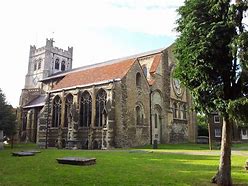
Earlier this month I had the delight of visiting Waltham Abbey with its ancient grounds and church building. It was fascinating to understand its important history and dedicated service as a sacred space reaching out to all the needs of the local and wider community. There are many other ancient abbeys and modern day Christian communities within the UK that act as ‘thin places’ and are acknowledged as a communal ‘sacred place.’
For over thirteen years I worked for Adullam, a Christian based supported housing scheme, in Bury Greater Manchester. The project offered a home with personal support packages to help individuals recover and move forward from homelessness, various addictions and find a measure of stability after being in custody. The Bethany project was born out of the love and sacrificial work of the late Anne Smith who combined personal and social care for many, within community, in the name of Jesus. In 1 Samuel 22 we read of the cave of Adullam, a place where David escaped from the terror of King Saul, which accommodated some 400 men in various aspects of distress.
Salt and light
As Christians we are called by our heavenly Father to be examples of the earthly Jesus. To be ‘salt and light’ to a world full of pain, rejection and suffering. The bible offers examples of women and men who as individuals living within community have radically changed and been renewed. The bible gives instruction on how to embrace education. How to set up and implement social reform. To exercise political leadership for all its citizens. Wisdom to conduct successful businesses and social activities.
In Act: 2 43 – 47 we read about the early Christians sharing and caring for each other in a communal sense that was outside a formal religious structure. They shared their possessions and showed loving compassion to each other, which was in stark contrast to communities around them.
In James 2: 14-26 a conversation takes place about ‘faith and deeds’ and contrasts ‘works without faith’ to ‘faith with works.’ Wherever we live there will be communities that are examples of Christian ‘faith and works.’ Think about the church you presently worship in and those you attended in the past. Recall how they combined Christian worship with social action in their immediate community. What we don’t want is to be so ‘spiritually minded that we are no earthly use’ or so ‘earthly minded that we are not spiritually useful!’
In the name of Jesus
The words of Jesus help us to reflect on how our witness to those within the wider community takes place, as found in the book of Matthew 25: 31-46. We do things in the name of Jesus, yet in reality he did not recognise them or us! Often we feel that we have not been a good witness for Christ but such actions have been affirmed and recognised by Jesus.

There are many community groups that exist outside church services to meet different needs. For example a mums and babies group. Youth clubs and uniformed movements. Special gatherings for older people and those who feel isolated and vulnerable. There are many day centres, charity shops, food banks, homeless projects and credit unions that provide practical help. The formation of trade unions and sports teams have made a great difference too many at work and socially and all these groups in their own way represent a ‘thin line’ between hope and hopelessness.
In Flixton Trafford we have had for many years the witness of the Ark as a place of prayer and practical support. The Gallery on Brook Road Flixton has recently opened to offer hospitality and exhibit the paintings of the resident artist Helen Parsley and be that sacred place where a heavenly presence may flow in an earthly context.
Thin places
As a Community Minister I have conducted countless funeral services at a crematorium or graveside rather than in a local church building. Such venues represent a very thin place where earthly life has ended and symbolically the beginning of an eternal life takes place. As the grieving families gather to mourn the loss of their loved one there is an expression of deep lament and sadness. My role on behalf of the Lord is to offer up a sense of God’s presence by his spirit that brings his peace, calm, and comfort.
This will contrast sharply to humanist and celebrants who conduct funeral services with love, compassion, sensitivity and celebration but may choose not to invoke any sense of a creator and redeeming God who is present to bring comfort and deep peace.
Summary
In scripture there are many thin places for us to reflect further upon such as: The Garden of Eden. The burning bush. The Ark of the Covenant. The birth of Jesus. The last supper. The sacred mountains, rivers and seashores.
The cross of Calvary. The anguish of Gethsemane. The glory of resurrection and ascension. The road to Damascus. The power of Pentecost. John’s revelation on the island of Patmos.
Let’s summarize and ponder further on our three insights.
- As believers we can meet in a building or in the open air. We are reminde
d that the church is made up of people who meet in person. I wonder how you see yourself as a participant in the church you attend, post lockdown.
- We have the spirit of God residing in our hearts and minds to represent the church here on earth. As we continue online worship will you settle into a new role as a spectator and commentator?
- We seek to be God’s ‘salt and light’ in dark places. How the above questions combine will be different for each one of us. May we look to take up new opportunities to represent a ‘thin place and sacred space’ within community just as Jesus did.

Selah
Graham
 Explore to Inspire