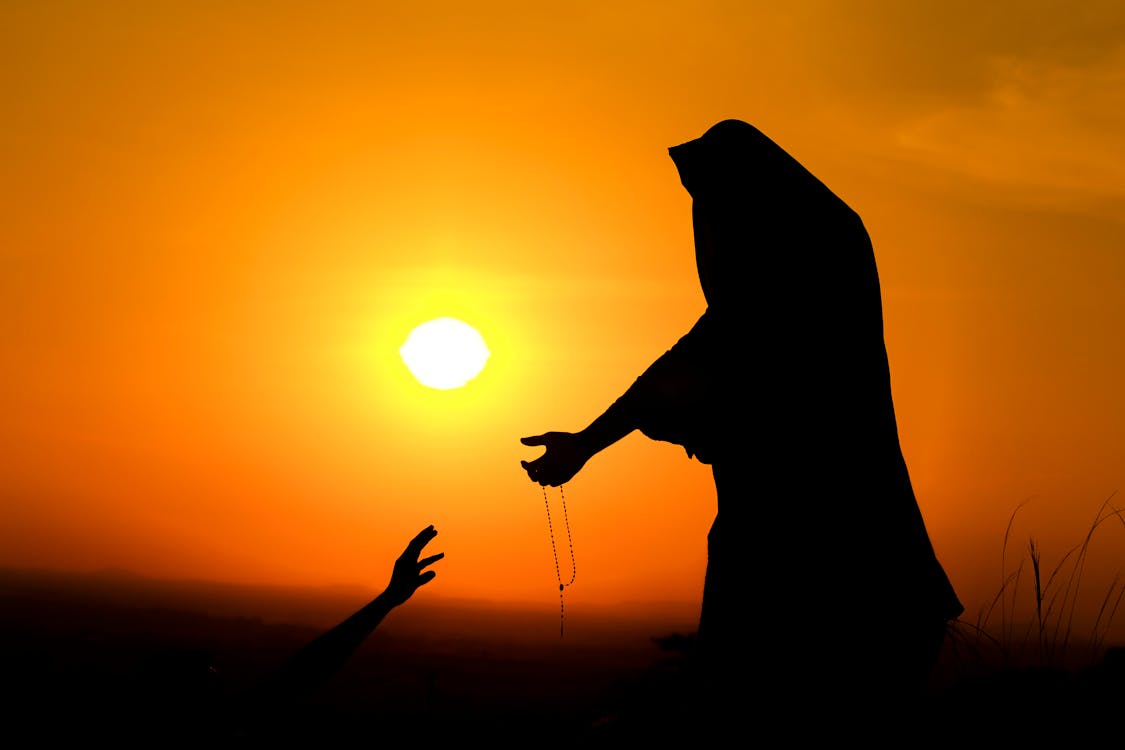
In this third insight from the New Testament book of 2 Peter (Chapter 1 – Chapter 2), it follows on from the recent insights from 1 Peter. The Apostle reminds us about the importance of holding onto our Christian faith in the face of many different beliefs and teachings that may cause us to lose our faith and not retain a holy and disciplined lifestyle.
Background

Peter has written two letters and he reminds his readers of what they should be thinking and acting upon. So often we look for new ideas and practices when in reality we are not putting into practise those things that we know about and greatly value which have been shared by the prophets and Jesus. Peter tenderly appeals to his readers that they should embrace ‘wholesome thinking’ in the light of what false teachers share and focus on the life and ministry of Christ.
Thanks Eric Smart pexels.com
Read together 2 Peter Chapter 3
Day of the Lord verses 1 – 7
Peter warns against what the false teachers are disputing, concerning the understanding of the Day of the Lord which relates to the Second Coming of Christ. They will say “where is this coming” that Jesus promised, for life continues to exist in the absence of his imminent return? However as Peter points out, long ago the heavens and earth existed yet by water they were destroyed. When the Day of the Lord comes the same heavens and earth will be destroyed by fire.
Question As we read God’s word are we more interested in new and current interpretations while neglecting to apply old truths to contemporary lifestyles? As we enjoy daily life do we consciously live it in the reality of Jesus’s second coming?
Gods own timing verses 8 – 9

The assumption of many people is that the world we live in is stable, when in reality it is far from stable. God has been involved in all the creation and sustaining of the planet and all human interactions both at a national and private level. In the course of time God has also brought judgement on nations and individuals who have disobeyed the teachings and commands of the Lord.
Thanks Nataliya pexels.com
From a human point of view we have a limited perspective and interpret things from our own self-focused position. We can be impatient for things to happen but Peter makes clear that a Day for the Lord can be like a thousand years and a thousand years like a Day. The Lord is not slow to fulfil his purposes in our lives if we are ready on a daily basis to follow in obedience and love. God wants everyone to experience his saving grace and any sense of him being slow to act is because of his mercy that restrains his judgment until everyone has an opportunity to turn to him.
Question There are strong arguments that the world we live in, which is affected by environment changes, is more stable than unstable? As we await the Day of the Lord we have a responsibility to care for our world. Think about ways in which you are able to help that process as we remember that God’s mercy restrains his judgment?
What type of people should we be verses 10 – 18
Peter stresses again that the expected Day of the Lord will happen unexpectedly just like a thief in action and the devastation of an earthquake. Peter asks that in the light of ‘that dreadful day’ what type of people we should be. He says that we should be holy and godly always looking upward in expectation of that Day of the Lord that will usher in a new heaven and earth, a home for the righteous. Thanks Clement pexels.com
We are encouraged to be spotless, blameless and at peace with God in every way. To remember that God is patient with us and Peter refers to the writings of Paul that contain similar themes which are hard to understand.
In conclusion Peter is asking everyone to be on their guard against the lawlessness and heresy of those without faith. He wants all his readers not to give up on their faith but to grow and abound in the grace and knowledge of Jesus Christ and in so doing give him all the glory.
Question It is often the case that we recognise more bad news than good news! How can we filter what we hear and see so that we experience more ‘wholesome thinking’ that helps us to live a spotless, blameless and peaceful life with God?
Selah (Pause to carefully consider what you have just read)
Graham
]]>
 Explore to Inspire