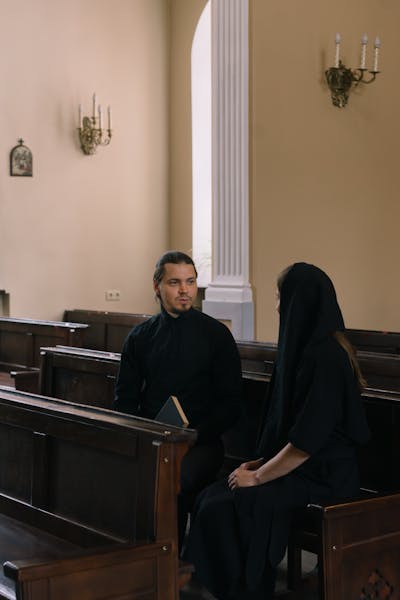
Sin. What exactly is it and how do we know when we’ve committed one? According to Wikipedia, sin is “a transgression against divine law or a law of God. Each religion has its own interpretation of what it means to commit a sin. While sins are generally considered actions, any thought, word or act considered immoral, selfish, shameful, and harmful or alienating might be considered ‘sinful’.”

The doctrine of sin is central to Christianity since its basic message is about redemption in Christ. The original sin, of course, was when Eve disobeyed God’s command not to eat from the fruit of the Tree of Knowledge when in the Garden of Eden with Adam.
Thanks freebible images.com
The seven deadly sins are sloth, gluttony, lust, greed, pride, envy and wrath. Who, on a human level, can honestly say they’ve never committed at least one of those? Not me for sure!
Blasphemy against the Holy Spirit is the biggest sin in Christianity although, these days, many people regularly use God’s or Jesus’ name in vain or anger – a sin which my own mother was very scornful about even though she wasn’t particularly religious but had originally grown up in a Roman Catholic family.
I well remember feeling somewhat insulted when I first came back to church in 2016 to be told that I was a “sinner”. Although I’m no saint, I could not understand why this terminology was used for people generally. It was then explained to me by Rev. Mo Surrey from St. John’s in Flixton that we are all sinners compared with Jesus Christ who lived a totally sin-free life. He is the example we should all aim for although, being human, it would be impossible for mere mortals to achieve.
I like to think Christianity is like a ladder with God/Jesus at the top and everyone else on different rungs leading up to Heaven depending upon how good they’ve been throughout their lives. When I asked Rev. Mo about where on the ladder really bad people in the world would be such as Hitler, Stalin and many others who have carried out evil deeds throughout history, she said that God forgives even massive evil-doers if they repent of their sins.
Graham – this is very much your territory and I have no doubt you’ll have been involved in helping people confess their sins before God. How do you think God would feel if a person continually carried out the same sin(s), even if they confessed and apologised in between?
Also, how important is it to live our lives without sin as far as possible while bearing in mind the idiom “to err is to be human.” Do you really believe that sinners will go to Hell if they commit sin without repentance?
And, finally, what do you believe happens if people renounce their sins on their death-beds – would God really forgive them at that stage of life?
Rev Graham replies:
Thank you, Carol, for your challenging question about sin which, as you have alluded to, affects us all in one form or another! Also as you have commented on many people throughout the world find it offensive to be called a sinner and do not acknowledge the concept of sin at all and so try to erase the whole experience people have around sin and its emphasis on who we may sin against and how we seek to reconcile such sort comings to a Holy God and those we live with.
It is said that we may enjoy sin for a season. In Ecclesiastes 8:15, 1 Corinthians 15:32 and Isaiah 22:13 it outlines how many people see their earthly existence as enjoying eating and drinking for tomorrow we die. Such an attitude dismisses any accountability to a judgemental god on moral and ethical grounds and frees a person to live how they choose with its own earthly and eternal consequences.
That contrasts for the Christian who through confession and repentance may enjoy sins forgiven and a restored relationship before a Holy God that also has an earthly and everlasting context. In attempting to answer your question Carol l will seek to determine the source and forgiveness of sin, in the Christian tradition, and then how it is celebrated through many personal and seasonal liturgies from the time of our birth right through to our last breath.
The Source and Remedy of Sin
At various times in our lives we think about the concept of sin and where it originated from and why it was allowed to enter that perfect Garden of Eden which drastically maligned God’s perfect creation? We live in a world where increasingly, someone or something has to be blamed for what has gone wrong and then hold people and institutions accountable. However, the concept of sin is not just about things that go wrong or are considered good or bad. It is more about how a broken relationship between a divine presence and human creation can be restored.
Within the tradition and teaching of the church there is a doctrine of Total Depravity put forward by the theologian John Calvin. It outlines how all humans are totally sinful and how the physical world has also been affected by the fallout between Adam, Eve and God in the Garden of Eden. Alongside Calvin’s assessment, those of no faith do confess that all is not as it should be for both human and animal kingdoms and the physical world we live in
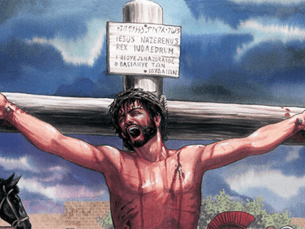
The early church father Augustine believed that we are all born sinful which is passed on from Adam and the entire world requires God’s grace to redeem our sin within. The Apostle Paul in Romans 5:12 says ‘Sin came into the world through one man, and death came through sin, and so death spread to all because all have sinned’ then in 1 Corinthians 15:22 Paul writes that ‘for as all die in Adam, so all will be made alive in Christ’.
Thanks freebible images.com
It is apparent that there is no human cure for sin but, as Rev Mo pointed out to you Carol, the bible does offer a solution through the compassion and ministry of Jesus Christ where sins can be forgiven and that broken relationship between God and humankind can be restored. Such a remedy helps us to understand how to conduct our human and spiritual relationships that grant us a greater acceptance of how the present world works and what part we have to play in it.
Jesus did not say a lot about sin but addressed the religious leaders of his day who thought they had mastered the chains of sin through temple worship, laws and sacrifices as referenced in Matthew 23: 27 – 28 but were hypocritical in their living.
Church Seasons and Liturgies!
Birth
As a Minister I have conducted prayers for a new born baby to be Dedicated and in other traditions a baby may be Christened or churched. During such services prayers of thanksgiving and a blessing will be said following the birth of the child and also for the child’s, parents and wider family members. Many believe that a child is without sin until an age of understanding between what is considered right and wrong yet in such prayers a reference to sin is made and the family are asked ‘Do you repent of your sin and renounce evil? Fight against sin, the world and the devil’ so that the child is protected from sin while being instructed within Christian teaching and lifestyle.
When a child is able to express their own spiritual discernment they can take part in a service of Confirmation that recognises their individual faith in Jesus as their Saviour and Lord. This is appropriate because they are then able to enter fully into their first Holy Communion that expresses a personal confession of sin and a desire to receive God’s forgiveness and know his daily presence.
Personal Faith
Alongside acts of Christening, Dedication and Confirmation there is Adult Baptism where an individual later in life comes to a personal faith in Jesus. The waters of baptism symbolizes a dying to self and sin as represented in the person being submerged under water or sprinkled with water. When the person rises from the water it represents a turning away from sin and being cleansed and renewed by the Father, Son and Holy Spirit.
Holy Communion
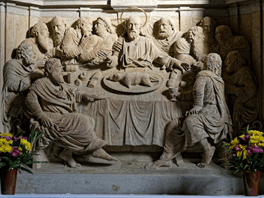
As a Minister I have conducted the Lord’s Supper/Holy Communion in various churches which would include a Prayer of Absolution. ‘Almighty God, who forgives all who truly repent, have mercy upon us, pardon and deliver us from all our sins’. Thank you Gu Bra The Last Supper pexels.com
Then together the Minister and congregation would say a Prayer of Confession. ‘Almighty God we have sinned against you and against our fellow man in thought and word and deed through negligence, weakness and our own fault. We are truly sorry and repent of all our sins’.
I would then share a Eucharistic Prayer based around 1 Corinthians 11:17-32 that recalls the life and ministry of Jesus who asked his believers during the Passover Supper to drink and eat remembering his broken body and his poured out blood. The bread and wine are symbols of the death and resurrection of Jesus that enables the sins of the world to be forgiven by a Holy and gracious God. Towards the conclusion of the service the Lord’s Prayer may be said together which asks for God: to forgive us our sins as we forgive those who sin against us’.
End of Life
When people realise that their earthly life is coming to an end they can ask a Priest or Minister to say the Last Rites or Personal Prayers of comfort that confirms the individuals faith in God as expressed at Baptism and their first Holy Communion. Also a person will want to confess their sins so that they feel they are ready to meet their maker and be at peace with their loved ones. During a Funeral Service the words of Commendation and Committal include a confession that God ‘knows the secrets of our hearts: in your mercy hear our prayer, forgive us our sins and at our last hour let us not fall away from you’.
Often people towards the end of their life become more reflective about spiritual matters and seek to renounce their sins even on their death-beds. When Jesus died he was accompanied by the thief on the cross who confessed his sins and was granted eternal life reinforcing what Rev Mo said about God forgiving all people at any time.
A House for Sinners
During his time on earth Jesus freely mixed with those who represented a religious and none religious point of view and were considered sinners and bad people. The Apostle Paul in Romans 3: 23says that ‘all have sinned and fallen short of the glory of God’ and in Romans 6: 23 the ‘wages of sin is death, but the free gift of God is eternal life in Christ Jesus our Lord’.
The church on earth represents the home and presence of a Holy God and should be a safe place for believers and enquirers, who are all sinners, to find and experience the personal, forgiving and accepting presence of God. The church represents a sanctified place where all can confess their sins and be sorry for missing the mark God wants for each one of us.
As a Minister I have had the privileged of listening and praying with many who have asked for prayers for forgiveness and healing from God and have witnessed amazing changes in their lives. The value of recognising that we are inherently sinful is that there is only one way to go which is upwards with the help and strength of the Holy Spirit within us and if we continually carry out the same sin(s) God continues to forgive but will also say ‘sin no more’
Thank you Mikhail pexels.com
Admitting we are sinners is part of our confession before God and each other and the acts of repentance and confession are a means of overcoming sin as found in Psalm 32. If we do not acknowledge or confess our sins then we can end up in a place of ignorance and confusion.
It is important to appreciate the forgetfulness of God as recorded in Isaiah 43: 25 ‘I am he who blots out your transgressions for my own sake, and I will not remember your sins’ and in 1 John 1: 9 ‘if we confess our sins. he who is faithful and just will forgive us our sins and cleanse us from all unrighteousness’ and Psalm 103 12 ’God will scatter our sins as far as the east is from the west’.
Finally Carol
If people do not believe or relate to any concept of sin and redemption then the body and spirit may be respected less and any attitudes to life and death are liberalised. People will continue to enjoy sin for a season and if things go wrong will blame others and not themselves to help them feel better and carry on regardless and might want to end their own life so as to retain their independence and self-control over their lives. However, if we own up to our sins we can implement three positive attitudes:
- We are united to everyone without any separation or distinction.
- We see others as sinners and have an empathy and understanding for them.
- We do not have to set ourselves up as being perfect or self-righteous.
Previous Questions
 Explore to Inspire