A call to personal Holiness!
Background
At this point in our study it might be helpful to clarify the timelines of Haggai, Zechariah, Ezra and Nehemiah in their roles as prophets and leaders. Haggai and Zechariah inspired the people to build the second temple based on their recommitment to the Lord.
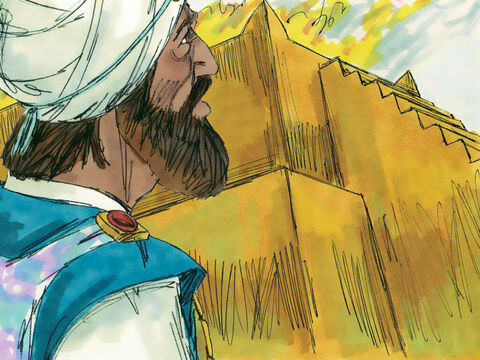
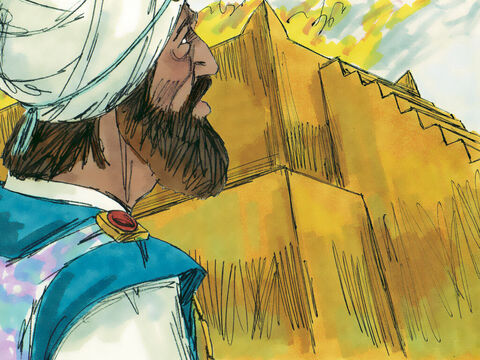
Ezra re-established the Law and Priesthood, with sacrifices and ethical living that followed the teachings from God’s word from 458B.C. Nehemiah led the people in rebuilding the walls of Jerusalem from 445B.C. Each project and the gradual return of the people to Jerusalem and Judah took around 20 years. Thanks freebibleimages.org
The First Temple was completed by King Solomon in 967 B.C. In 586B.C. Jerusalem was overtaken by the Babylonian armies and most of the inhabitants were taken into exile. The temple was totally destroyed and those who remained in Jerusalem did not have, for the first time since Moses built the tabernacle, a place to worship.
In 539 B.C. King Cyrus suddenly came to power and went on to decreed that the exiles could return to their homeland under the governorship of Zerubbabel and the High Priest Joshua which numbered around 50,000 Jews.
In 520 B.C. the prophets Haggai and Zechariah were important in stirring up the people to build and keep strong in their faith. The initial foundations for the Second Temple had been laid but then discouragement set in and no further work was completed for over sixteen years. Then motivated by Haggai they built a new temple ready for worship where they could sacrifice burn offerings in accordance with the laws of Moses (Ezra 3: 2). The glory of the Second Temple lasted for nearly 500 hundred years much longer than Solomon’s and Herod’s Temples.
Bible base – Haggai 2: 10 – 19
Holiness is not contagious 2: 10 – 12
The third message from Haggai was on the “the twenty-fourth day of the ninth month” around three months after Haggai’s first message. The people were asked to carefully consider the priests answer to Haggai’s question as found in verse twelve. Can a holy person carrying holy meat cause those near to them to become holy?
The people may have been feeling that since the temple rebuild had started and certain rituals had been restored then in a measure they had become more holy and consecrated and therefore felt they could ease off in their worship and service to God. The priests answered correctly according to Leviticus 6:27. Any direct contact with a sin offering, that was considered holy meat and consumed by the priest, would not make a person holy. Holiness cannot be shared to a third person directly or indirectly?
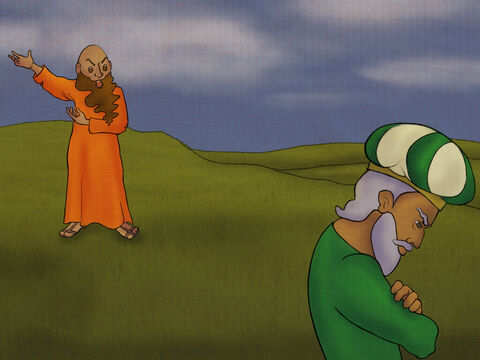
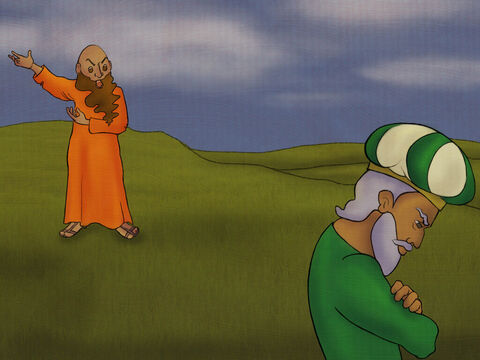
The temple and rituals may be holy but they cannot produce holiness like a lucky charm. Being religious externally does not make a person holy internally. The prophets emphasised that “to obey is better than sacrifice” (1 Samuel 15:22) and sin in the heart always separates a person from the holy presence of God. (Thanks freebibleimages.org of Eli the prophet speaking to Samuel about his rebellious sons)
Evil is contagious 2: 13
The priests are asked a second question by Haggai as found in verse thirteen. Can an unclean person contaminate those they have contact with? It may be said that evil and defilement are more easily transmitted than any form of holiness! If we place a drop oil into a glass of water it becomes contaminated and not fit to drink. Many believe that if an environment and setting is clean and wholesome then those within it will become whole and clean. One healthy person in a hospital will not make the whole hospital well!
God’s people can spoil any acts of sacrifice and service by simple unbelief or pandering to any cultural or political pressures of the day. A holy environment can be helpful in growing spiritually but ultimately it is a life that has repented of sin and knows the forgiveness of God that will truly blossom and flourish spiritually. According to Mosaic Law contact with a dead body defiles a person because physical death represents a spiritual death that is a result of sin.
Holy works do not make a person Holy 2: 14
At this point God speaks impersonally to “this nation” who hoped that their holy work of rebuilding the temple would then make their land, products and hard labour holy and fruitful. The reality is that only men and women with clean hearts, minds and hands can truly serve the Lord and all other offerings may be considered unholy. Righteousness does not come from what a person may do for God. It only comes from what God can do in the heart of an individual person.
God is generous in his Holy Gifts 2: 15 – 19
Haggai asks the people again “Carefully consider from this day forward” and wants them to think about what God is going to do in the future as compared to what he has done in the past. There was a lack of provision when the people started to build which seemed, as outlined in verse seventeen, like a curse that included “blight and mildew” and relates to (Deuteronomy 28:22). However, God promised the people that if they turned and repented from ungodly attitudes and actions he would provide all that was needed to complete the task in hand.
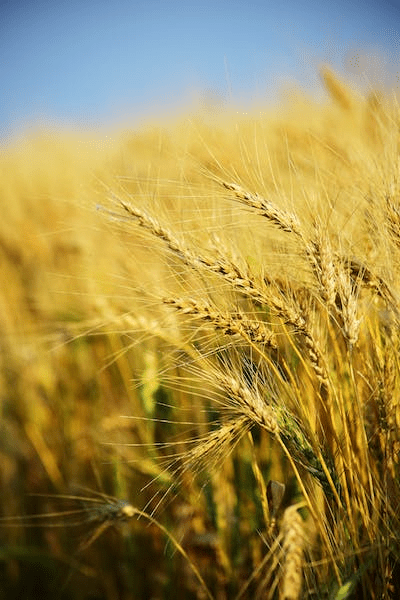
In verse nineteen God expected a negative answer to his question “is the seed still in the barn”? In hoping for any future provisions it is important to sow at the right time so that a harvest is gathered when planned for. The people wanted to build because it reflected a change in their hearts and therefore God had promised them a full harvest from the vine, fig, pomegranate and olive tree as a blessing of their labours. Progress in the spiritual realm will invariable result in physical and material provision. Thanks Deneen Pexel.com
In conclusion it may be said that pollution and spiritual defilement are transmitted more easily than purity and holiness which cannot be fully received by human effort or kindness. External building work and service for God is not sufficient in itself. It is only in turning and repenting of sin in the heart that any true worship, service and building work is acceptable to God through Jesus Christ our Saviour and Lord. “Righteousness exalts a nation” and individuals (Proverbs 14:34) and will produce in its own way a spiritual and physical harvest as part of God’s blessing
Questions to consider
- Think about the timelines for Haggai, Zechariah, Ezra and Nehemiah. The benefit of hindsight is always helpful when looking back on life but so often it can be confusing when we seek God’s will and way in the present? What does it take to fulfil God’s timeline for our own life and purpose?
- How easy or hard is it to have a complete faith in God compared to relying on our own good works and religious rituals to know a sense of God’s presence and holiness? Can we truly transmit a sense of God’s holiness to those we meet on a daily basis?
- Why is it that we seem to be less interested in good news stories? People seem to be more interested in the bad news stories that sell papers and TV programmes? Does evil affect society more than goodness?
- How important is it to have a hope for the future as guided by the Lord compared to all the moans and groans we feel and share that relate to the past and the present? What makes a difference to our thinking and acting?
 Explore to Inspire