Following on from the Insight – The Value and Challenge of Routine, we have recognised the importance of routines that are remembered in the Christian Calendar such as the one featured in the last Insight remembering the celebration of Ascension Day,
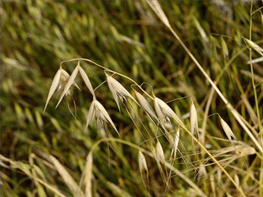
Another important event in the Christian calendar to celebrate is Pentecost. In Leviticus 23: 16 it outlines that there were ‘fifty days’ from the offering of the barley feast at the beginning of the Passover and on the fiftieth day (after seven weeks) the Feasts of Pentecost was celebrated and became known as the ‘feast of weeks’ and the ‘feast of harvest’ and it marks the completion of the barley harvest (Exodus 34: 22, Deuteronomy 16: 10).
Old Testament Celebrations
Thank you freebibleimages.org
Pentecost was observed during the days of the Pentateuch (First five books of the Old Testament) and under the reign of Solomon. It was the second of the three main annual festivals as recorded in Deuteronomy 16: 16. The feast was celebrated as a ‘holy convocation’ when no work was done and every male Israelite was expected to attend at the local sanctuary’ (Leviticus 23: 21).
Two baked loaves were given to the priest who waved them before the Lord alongside certain animal sacrifices that acted as ‘a sin/peace offering’. Such a celebration and offering was full of joy as they gave thanks for the grain harvest and remembered their deliverance out of Egypt as God’s covenant people. In their offerings to the Lord it presupposed the Lord’s removal of sin and a reconciled relationship together.
Inter – Testament Celebrations
Pentecost became regarded as the anniversary of the law that was given at Sinai. The Sadducees celebrated it on the fiftieth day from the first Sunday after Passover and used it as their weekly ‘Sabbath’ (Leviticus 23 15). Their observance regulated it as a public celebration as long as the Temple existed. Such a practice justified the Church celebrating the first Christian Pentecost on a Sunday (Whit Sunday).
The Pharisees understood the ‘Sabbath’ as the Festival of Unleavened Bread (Leviticus 23) and such a practice became the norm in Judaism after AD 70 and within the Jewish calendar Pentecost falls on various days of the week.
New Testament Celebrations
In the New Testament there are three references to Pentecost.
Firstly Acts 2: 1 – 13 – The Holy Spirit at Pentecost

When the day of Pentecost came, they were all together in one place. Suddenly a sound like the blowing of a violent wind came from heaven and filled the whole house where they were sitting.
They saw what seemed to be tongues of fire that separated and came to rest on each of them. All of them were filled with the Holy Spirit and began to speak in other tongues as the Spirit enabled them. Amazed and perplexed, they asked one another, “What does this mean?” Some, however, made fun of them and said, “They have had too much wine.”
On that day, after the resurrection and ascension of Jesus around AD 30, the disciples gathered together in a home in Jerusalem and had a visitation of signs from heaven. The Holy Spirit descended upon them all and gave them a new power and sense of God’s personal presence upon them and within them. Peter explained to all present that such a visitation was in accordance with the prophetic words of Joel.
Within broad church traditions some see the expression of the gifts of the spirit only for that Apostolic time as reflected in Reformed teaching, however for others it has been fully accepted for the present day as experienced in many Charismatic and Pentecostal churches.
Second reference in Acts 20: 16
‘Paul had decided to sail past Ephesus to avoid spending time in the province of Asia, for he was in a hurry to reach Jerusalem, if possible, by the day of Pentecost’.
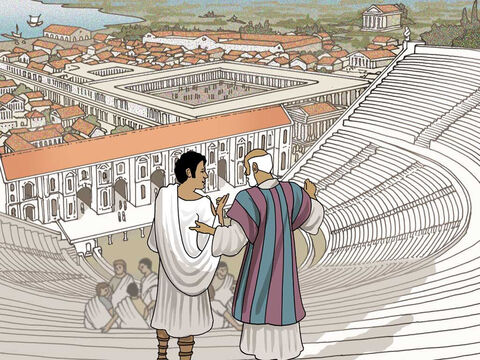
Here the Apostle Paul was travelling and conscience that he had to avoid the efforts of some Jews who were opposed to his ministry. As a result he felt that he should not travel to Asia but return towards Jerusalem so as to be able to share the day of Pentecost with fellow believers (AD 50).
Paul in Ephesus Thank you freebibleimages.org
The example of Paul shows us that all our plans and purposes should be subject to the will of the Lord as in those well-known phrases ‘God willing’ or ‘if the Lord permits’ (James 4: 15).
This contrasts to our own thinking of doing and going where we want to go! The Lord wanted him at Jerusalem and later Ephesus and would protect, provide and empower him in his ministry even against those who opposed him.
Third reference in 1 Corinthians 16: 8 – 9
In I Corinthians 15 and 16 Paul moves from lofty theological reflections to very practical matters and personal aims and goals such as a collection of money to share with those without in Jerusalem. He intended to visit Corinth after travelling throughout Macedonia. However we read in this third account ‘but I will stay on at Ephesus until Pentecost, a great door for effective work has opened to me, and there are many who oppose me’.
At this time Paul decided to stay a lot longer at Ephesus and winter in Corinth until the day of Pentecost (Around May – June AD 54 or 55) because he believed there was lots of opportunity opening up for him by the Holy Spirit to extend his ministry.
Not Just Festivals but Practical Living
Within family, church and community we model the life of Jesus in our worship and daily living and in turn, with the help of the Holy Spirit, we model each other. The purpose of the Holy Spirit is for us to be like the presence of Jesus, reflecting his love, gifts and fruit that he produced for the benefit of many individuals and communities.
If you read John Chapter 14 we find that Jesus prepared his disciples for a time when he would no longer be with them.
“If you love me, keep my commands. And I will ask the Father, and he will give you another advocate to help you and be with you forever— the Spirit of truth. The world cannot accept him, because it neither sees him nor knows him. But you know him, for he lives with you and will be in you. I will not leave you as orphans; I will come to you. Before long, the world will not see me anymore, but you will see me. Because I live, you also will live. On that day you will realize that I am in my Father, and you are in me, and I am in you.”
“All this I have spoken while still with you. But the Advocate, the Holy Spirit, whom the Father will send in my name, will teach you all things and will remind you of everything I have said to you. Peace I leave with you; my peace I give you. I do not give to you as the world gives. Do not let your hearts be troubled and do not be afraid.”
Take Away
During various seasons and time scales we give thanks for a physical harvest that provides sustenance for our bodies but we also give thanks for the spiritual provision of the Father, Son and Holy Spirit that nourishes our spiritual life’s each and every day.
So what can we learn from The Feast of Pentecost?
- The Sadducees and Pharisees celebrated the ‘feast of Pentecost’ in different ways. What does that teach us about how we celebrate Christion events even if there are slightly different but retain a same meaning?
- Peter had to explain to all present that the Spirit of God amongst the people was different to being filled with intoxicating wine. Why is it that, even amongst Christians, we may be more comfortable taking an ‘alcoholic drink’ rather than being filled with the Spirit of God and embracing its effect upon our lives?
- How easy or hard is it to discern and follow the pathways of the Lord that might include opposition or a trouble free journey, compared to making our own plans and sticking to them. How can we interpret those phrases ‘God willing’ or ‘if the Lord permits’
- Do you really think that it is to our advantage that Jesus has ascended and we have the Holy Spirit as our advocate here on earth?
Selah: (Pause to think calmly on what has just been read) and check out A Time to Worship
Graham
 Explore to Inspire